


In my great-grandmother's room, there was usually a lot of candy.
Fiddle Faddle, Bit O' Honey, peppermint LifeSavers, sugar-coated gumdrops, Circus Peanuts.
As a child, I ate HoHos from the bottom cabinet in the kitchen.
I grew up in a strict evangelical environment. My grandmother had a terminal illness from the time I was age four to age 11, and I correlate the images, sounds, and sensations from the time I spent at my grandparents' house with my experience of her illness.
There's a pattern in the wonderful film The Night of the Hunter that got me to subconsciously correlate sugar with sugar-coated truths about the nature of reality. My grandmother often told me that she would become well, and everyone relied on a story that promised redemption, salvation, eternal life, while seeming to do little to change their actual environment or daily habits. I grew up frustrated with the lies I felt that modern medicine offered, because as a child, I did not see my grandmother become well despite her assurances that it would happen. When she died, I was very surprised --
and confused about where she'd gone. It was hard to process the physical reality of her death because there had been so much emphasis on the story of becoming well through action by a savior.
I don't know how to untangle the knot I see with Christianity, because on one hand it offers stability and an emphasis on charitable values. At the same time, I've come to view it as something that crushes the feminine. I often don't know what to say when I see people struggling with illnesses that seem to partially stem from the beliefs they hold. It's taken me a long time to begin to feel warmth toward people who have illness, because my child was so dominated by its presence and I want to live a happy, healthy life as an adult.
I grew up to become someone very interested in alternative health and I found wonderful ways of responding to the messages my own body sent me. I will always do that and respect the inner life that can't be controlled by a single message or agenda.
I love The Night of the Hunter because it's beautiful and because it shows, in images, what happens when the feminine is pushed (with sugary stories) into relationship that binds her. Her sexuality is unwelcome. It's a life-giving force that was definitely present in my great-grandmother, and when it's allowed to surge through a person, that creative power can heal. It's got to be given room to run in ways that are healthy.
The false preacher in The Night of the Hunter shames the main character's mother after a fudge-peddling church lady pressures her into marriage. He walks around charming people (with stories that are Fiddle Faddle) in his quest for money from widows.
Lillian Gish uses stories to inspire the children she cares for, and she is not fooled when the preacher comes to her door.
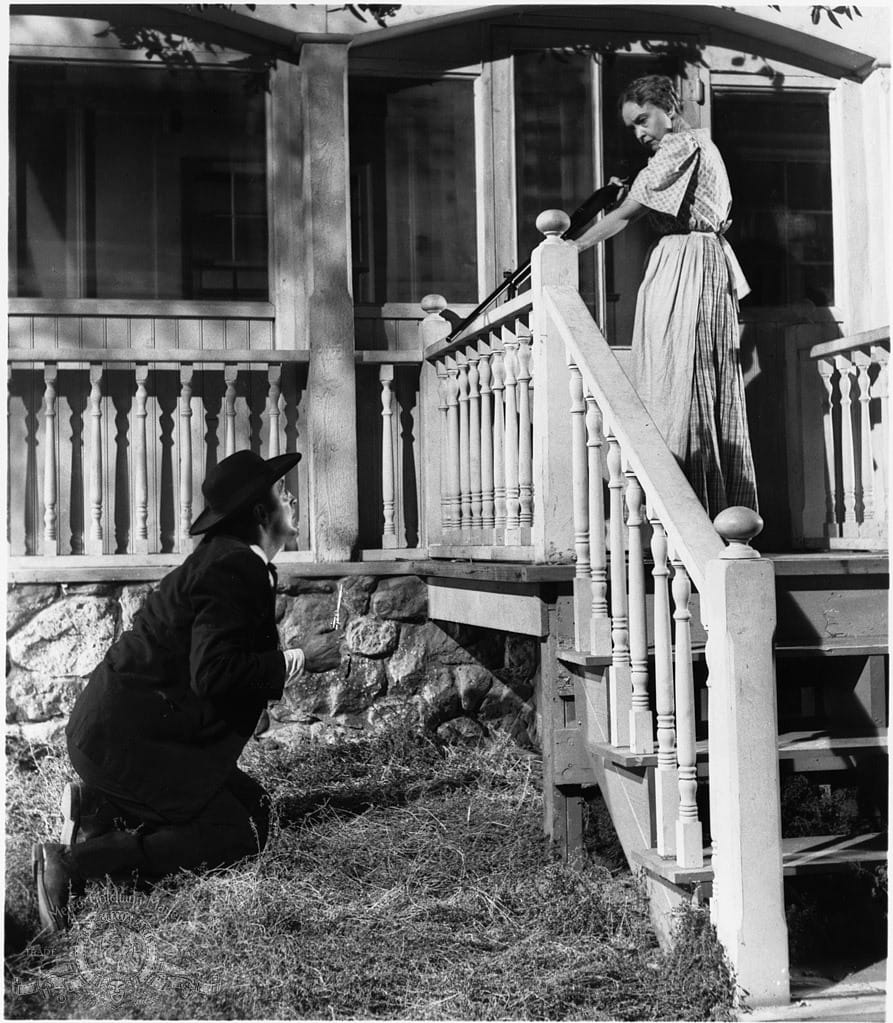
There was a strength to my grandparents' faith, and there was also a schnookering that I saw take place. An addiction to unreality is still an addiction.
Growing up, for me, has hinged a lot on the embrace of a very sobering reality where things are not okay or automatically healed because you want them to be. I value action, I value getting out in the world, I value engaging with the wholeness of a person instead of looking at all the ways they've failed to match an image.
The gap between the image and reality is where things get interesting. This is where I like to explore.


Member discussion